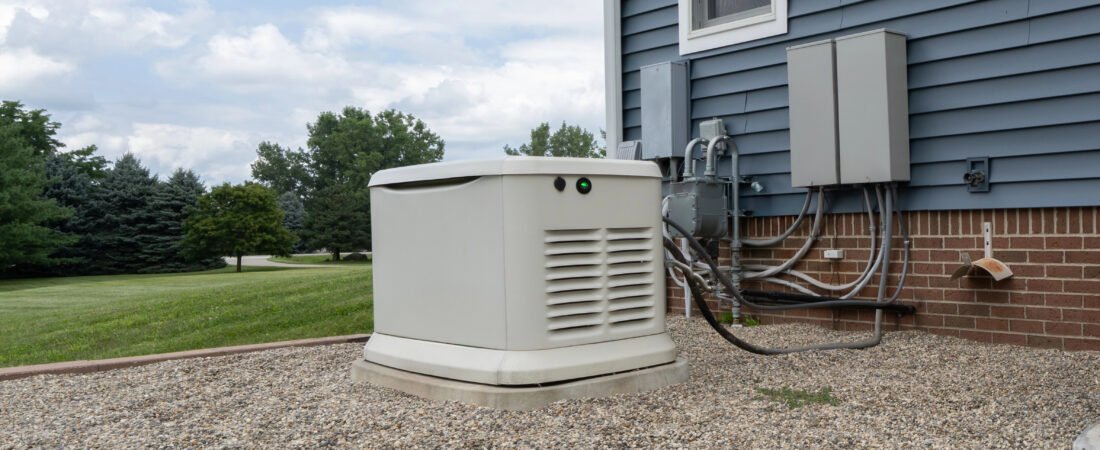
Home generators are often discussed as a backup power option, but they are not always well understood at a household level. Many discussions focus on technical specifications or product features, which can make it difficult to understand what generators actually do, how they are typically used, and what their limitations are.
This article explains home generators in plain terms, focusing on how they function within a household rather than on specific products or purchasing decisions.
How Home Generators Work
A home generator produces electricity independently of the main power grid. When utility power is unavailable, the generator supplies electricity to selected parts of the home, depending on how it is connected and configured.
At a basic level, generators convert fuel into electrical energy. This energy is then delivered to household circuits through a controlled connection point. The generator does not store electricity; it produces power continuously while running.
Because generators generate electricity in real time, their operation depends on fuel availability, proper ventilation, and safe electrical integration with the home.
Portable vs Standby Generators
Generators are commonly grouped into two broad categories based on how they are used within a household.
Portable generators are typically moved into position when needed and connected manually. They are often used to power a limited number of devices or circuits during an outage. Their use requires setup, monitoring, and safe placement.
Standby generators are installed as part of the home’s electrical system. They are designed to provide power automatically when an outage occurs and to shut down when grid power is restored. These systems are generally fixed in place and integrated with household wiring.
The distinction between portable and standby generators affects convenience, coverage, and household involvement during an outage, rather than simply power output.
Generator Fuel Types Explained
Generators rely on fuel to operate, and different fuel types influence how a generator fits into household use.
Common fuel types include:
-
Liquid fuels stored on-site
-
Fuels supplied through existing household connections
-
Fuels that require regular refilling or replacement
Fuel choice affects runtime, storage considerations, refuelling effort, and long-term reliability. At a household level, fuel availability during extended outages is often more important than peak power output.
Understanding fuel logistics helps set realistic expectations for generator use over time.
Generator Noise and Placement
Noise is an important but often overlooked aspect of generator use. Generators produce sound while operating, and noise levels vary depending on size, design, and placement.
From a household perspective, generator noise can affect:
-
Comfort during extended use
-
Neighbour relationships
-
Placement options around the home
Placement also affects safety. Generators must be positioned to allow adequate airflow and to prevent exhaust gases from entering living spaces. These considerations are part of responsible household planning rather than product selection.
Generator Safety Basics
Safety is central to generator use. Improper operation or placement can create risks that outweigh the benefits of backup power.
Key safety principles include:
-
Maintaining separation between generators and living areas
-
Avoiding enclosed or poorly ventilated spaces
-
Ensuring electrical connections are isolated from the grid when operating
-
Following established operating guidelines consistently
At a household level, safety awareness is as important as understanding how much power a generator can produce.
What Generators Can and Cannot Power
Generators are often assumed to restore full household function, but this is rarely the case. Most generator setups support selected circuits or devices rather than everything in the home.
Households typically prioritise:
-
Essential lighting
-
Refrigeration
-
Heating or cooling related to safety
-
Communication needs
Understanding these limits helps avoid disappointment and encourages practical planning rather than unrealistic expectations.
Generator Use During Short and Long Outages
Generator usefulness can differ significantly depending on outage duration. Short outages may require minimal setup and limited runtime, while longer outages place greater demands on fuel supply, maintenance, and household involvement.
During extended outages, factors such as refuelling, monitoring, and noise become more noticeable. This reinforces the importance of matching generator use to realistic outage scenarios.
Generators as One Backup Power Option
Generators represent one approach to household backup power, but they are not the only option. They sit alongside other preparedness strategies and power solutions that households may consider over time.
Viewing generators as part of a broader preparedness framework helps maintain balanced expectations and prevents rushed decisions based on isolated events.
Looking Ahead
Understanding how generators work and how they fit into household use provides a foundation for clearer decision-making. In the next articles, we will explore home battery systems, outage preparedness, and how different backup approaches compare in practical terms.
Together, these topics help households think calmly and realistically about backup power without urgency or pressure.